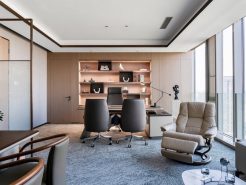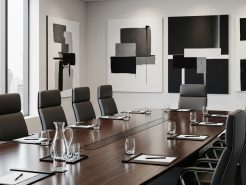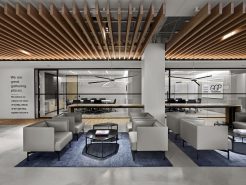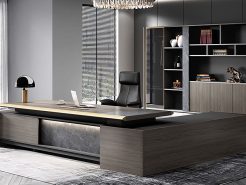

During the design and construction of luxury office, I often stand in the finished space and look up at the ceiling before evaluating any other details. The cleanliness of a drywall ceiling immediately reveals the operational quality of the entire office. Accumulated fine dust, faded stains, or discoloration are not just hygiene issues; they are signs of a system that hasn’t been properly maintained. In a workspace used continuously every day, cleaning the drywall ceiling needs to be viewed as a technical process, not just a routine cleanup. This is the dividing line between a high-class office on paper and a truly luxurious space in reality.
1. Core principles when cleaning drywall ceilings
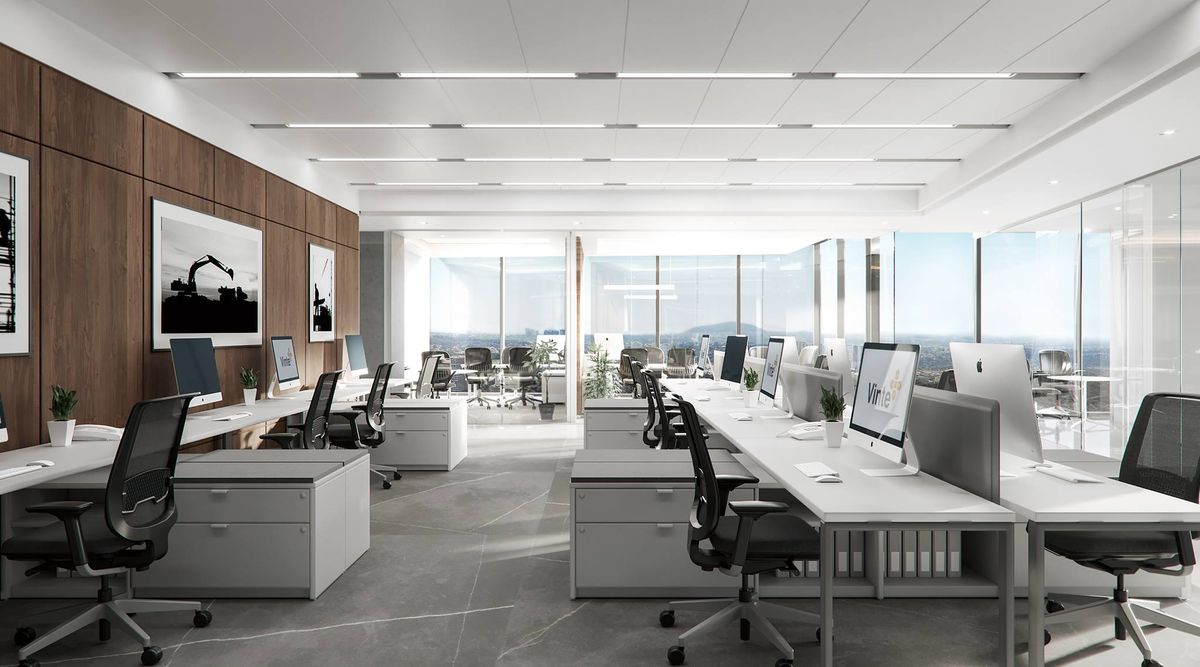
From a building maintenance expert’s perspective, cleaning drywall ceilings requires a more sophisticated technical approach than routine cleaning. The first core principle is always to preserve the surface. Because drywall ceilings are lightweight, fragile, and highly sensitive to mechanical stress and moisture. Even a single instance of excessive scrubbing or the wrong method can lead to paint peeling, surface deformation, or sagging that is difficult to repair.
Simultaneously, all cleaning activities must be organized in a way that does not affect the ceiling-mounted technical systems. These areas house critical components such as air conditioning, lighting, fire detectors, and sensors. Allowing water, dust, or chemicals to penetrate these areas not only reduces equipment lifespan but also poses long-term operational risks. A crucial principle is ensuring workplace safety and maintaining a stable working environment.
Especially in operating offices, where any intervention must minimize disruption and the risk of incidents. Professional thinking always prioritizes regular maintenance and early prevention. Maintaining the stable condition of the drywall ceiling is always more effective, economical, and sustainable than repairing damage after it has already occurred.
2. Preparation before cleaning the gypsum ceiling in the design and construction of a luxury office
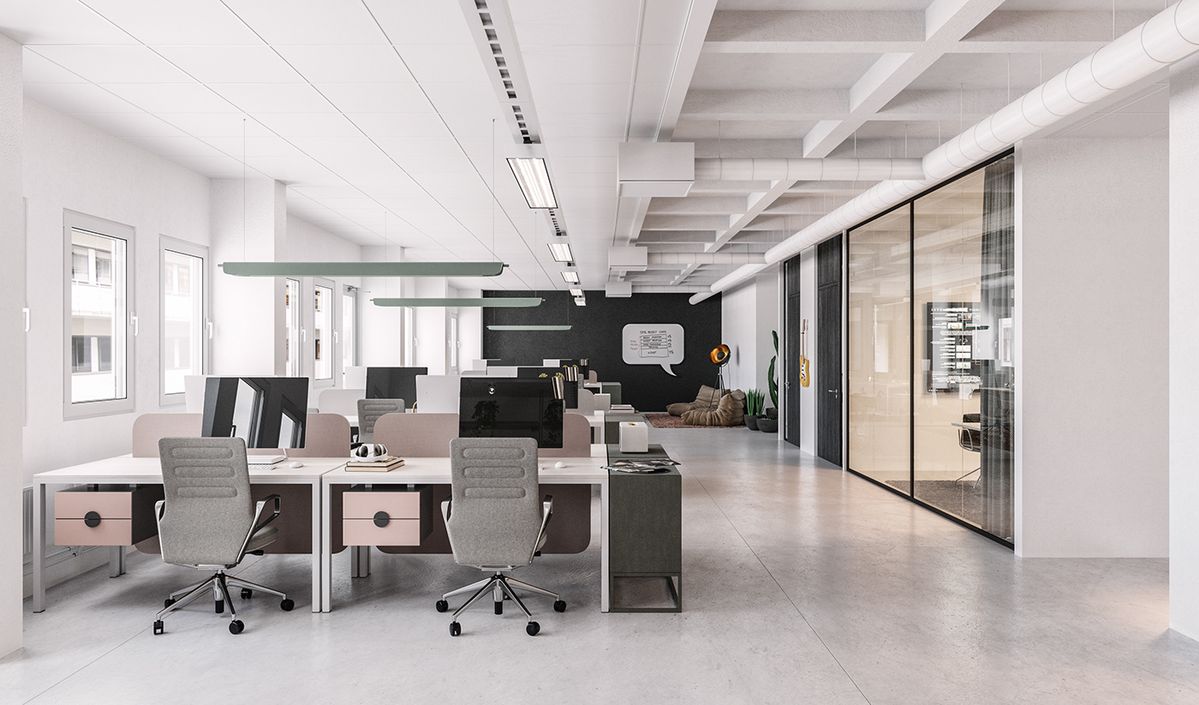
Before undertaking any cleaning activities, preparation is always considered a fundamental step that determines the effectiveness and safety of the entire drywall ceiling treatment process. From a professional perspective, a systematic and purposeful inspection of the ceiling’s condition is necessary to accurately classify any existing problems.
Common dirt and grime buildup is usually due to the continuous operation of air conditioning and electronic equipment. Yellow stains or mold, on the other hand, reflect issues related to humidity or potential leaks in the ceiling. In particular, the appearance of cracks, peeling paint, or surface deformation is no longer simply a cleaning problem. It requires specialized technical intervention to address the root cause and prevent further damage from improper cleaning methods.
Alongside assessing the current situation is the process of selecting the appropriate tools
This is one of the often overlooked factors, but it directly affects the quality of the ceiling surface after treatment. Equipment such as soft-bristle brushes, specialized ceiling vacuum heads, low-power vacuum cleaners, or well-wrung microfiber cloths all aim for gentle cleaning without creating excessive mechanical pressure.
In addition, neutral cleaning solutions with a safe pH level should be preferred to minimize the risk of material corrosion. Finally, a standard office-grade ladder or scaffolding system not only ensures workplace safety but also contributes to maintaining the stability of the workspace throughout the process.
>> See more: Comparing the durability of wood in the design and construction of luxury offices.
3. Design and construction of luxury offices – Professional-standard drywall ceiling cleaning process
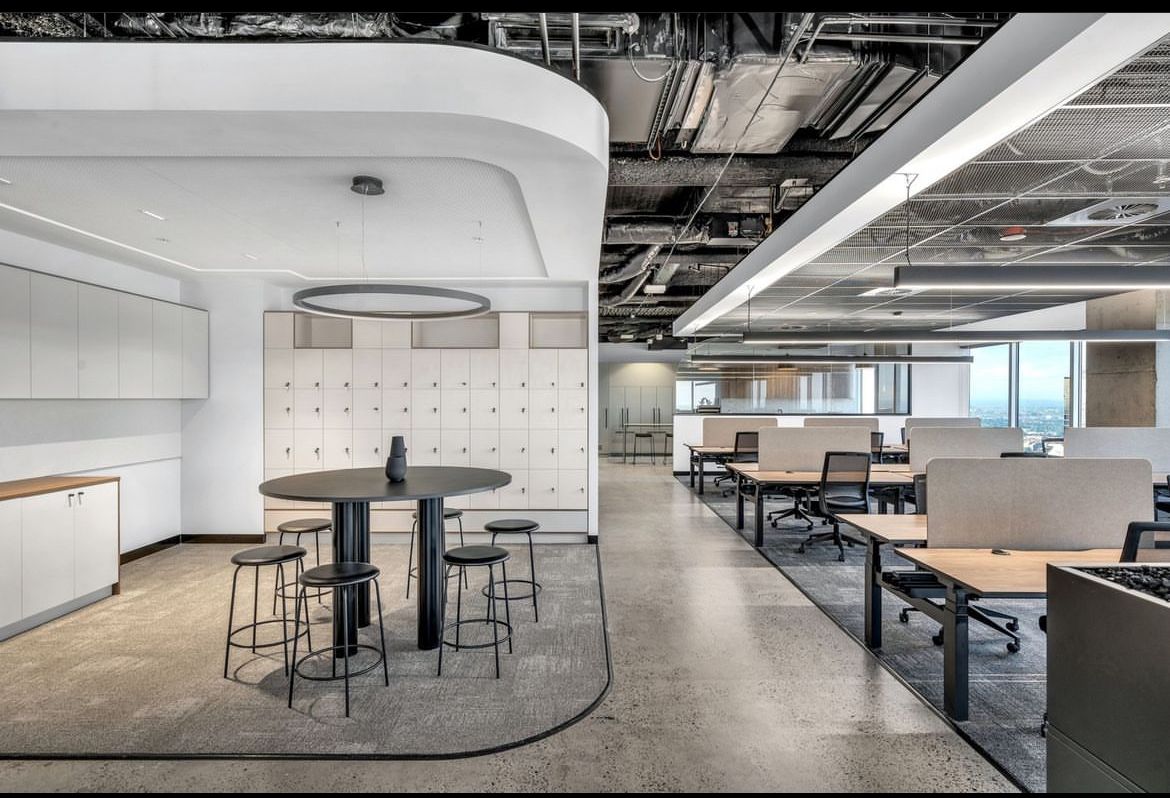
Dry dust removal – A foundational step that determines the quality of the entire process
Dry dust removal is always considered a mandatory and crucial initial step when treating drywall ceilings according to expert standards. At this stage, the goal is not simply to remove surface dust, but also to minimize the release of fine dust into the air, which could re-adhere or penetrate the ceiling’s technical systems. Using a soft-bristle brush or a low-power vacuum cleaner with a specialized ceiling nozzle helps control the force applied, avoiding vibration or damage to the suspended structure above.
This process needs to be performed slowly and consistently to effectively collect and remove dust, rather than pushing it to other areas. Applying excessive force or jerky movements can cause ceiling vibrations, exposing potential weaknesses such as joints or aged paint surfaces. From a professional perspective, a properly performed dry dust cleaning not only frees the ceiling surface from accumulated dust but also restores the breathability, sharpness of the material, and a light, clean feel to the entire space. It also creates ideal conditions for subsequent processing steps to be more accurate and safe.
Treating minor stains – Controlled intervention to preserve the surface
After the dry dust has been thoroughly removed, handling light stains requires more finesse and careful control of the process. A microfiber cloth should be dampened and wrung out thoroughly. Ensuring no water drips is the optimal choice to minimize the risk of moisture seeping into the plaster core.
According to expert advice, it’s recommended to test cleaning a small, inconspicuous area before tackling a larger area. This helps assess the paint and ceiling surface’s reaction to moisture, allowing for adjustments in pressure and the most appropriate cleaning methods. When cleaning the entire area, small, even circular motions are preferred for gentle cleaning, avoiding streaks or color variations.
Avoiding prolonged wiping in straight lines also helps reduce the risk of thinning the paint coating. The essence of this step is not about speed, but about patience and a good feel for the material. This is because each drywall panel has a different rate of aging and resistance to impact over time.
Stain removal – Clearly defining the line between hygiene and technique
Removing stains from drywall ceilings requires a clear analytical approach to avoid confusing surface stains with structural damage. According to experts, only light, newly formed stains that haven’t penetrated deep into the material should be treated with cleaning methods.
A neutral cleaning solution diluted to a safe concentration helps reduce the risk of paint corrosion and limit surface discoloration. Application of the solution must be carefully controlled, avoiding prolonged application or deep penetration. However, if the stain originates from water seepage or technical leaks, any cleaning efforts will only be temporary and risk recurrence. In this case, the top priority must be to thoroughly address the source of moisture before proceeding with surface restoration. From a professional perspective, correctly identifying the nature of the stain is the difference between an effective cleaning process and a technical error that is difficult to rectify later.
Post-cleaning overall inspection – Assessment for long-term prevention
The final inspection after cleaning is complete serves not only as a final acceptance check but also as a step to assess the health of the gypsum ceiling. Observing the surface color helps detect early signs of discoloration, fading paint, or uneven deterioration. Simultaneously, checking the flatness of the ceiling allows for the identification of minor deformations that are often hidden by dust or previous stains.
This is also the ideal time to detect early warning signs, such as hairline cracks, weak joints, or areas at risk of re-soiling. According to experts, a cleaning process is only truly complete when accompanied by a final assessment. This step provides crucial data for regular maintenance planning. As a result, the drywall ceiling is both cleaned immediately and proactively protected, extending its lifespan and maintaining its aesthetic value for the workspace.
>> See more: Soundproof flooring for luxury office interiors.
4. Important considerations when cleaning gypsum ceilings in design and construction of luxury offices
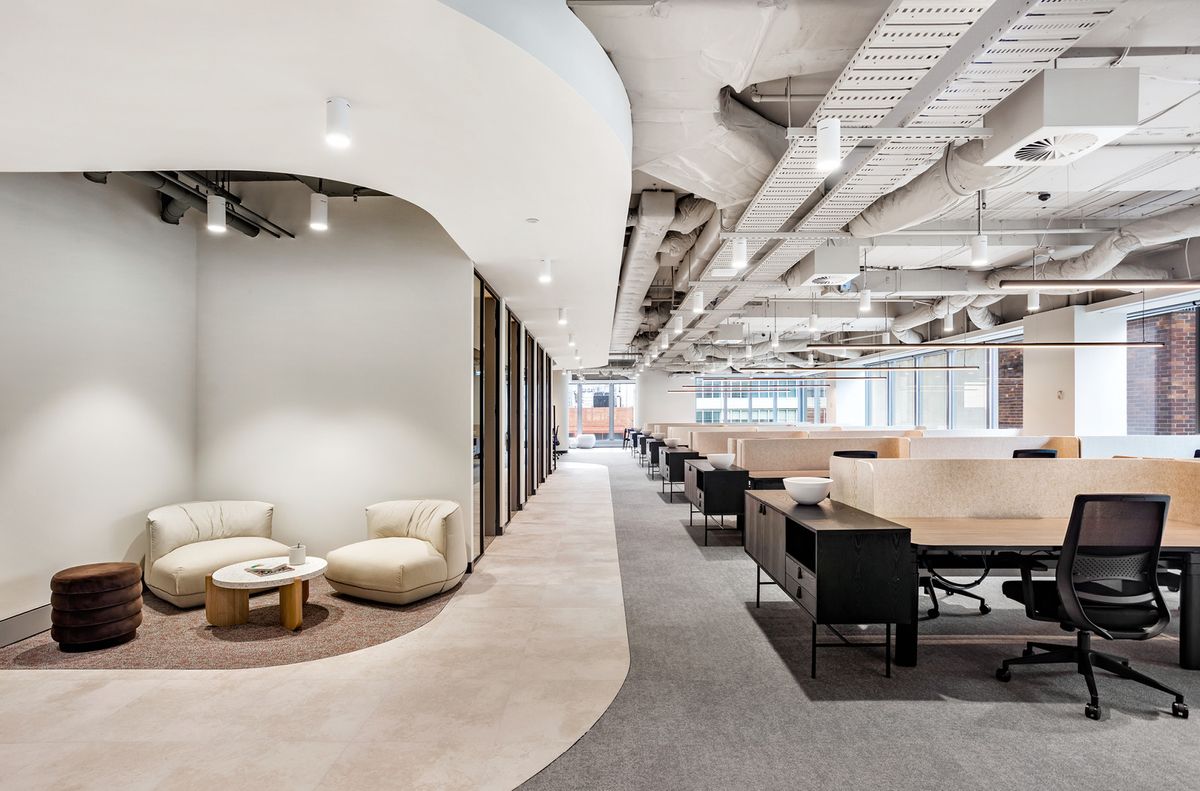
Common mistakes to avoid
Based on the practical experience of professionals, many problems with the deterioration of gypsum ceilings stem not from the material’s lifespan, but from seemingly minor mistakes in cleaning and maintenance. Using too much water during cleaning can easily cause moisture to penetrate deep into the gypsum core, leading to deformation, sagging, or creating conditions for mold to silently grow.
Similarly, while strong cleaning chemicals provide immediate results, they silently damage the protective paint layer, causing the ceiling surface to fade quickly and reducing its durability. Another serious mistake often overlooked is cleaning before the ceiling’s electrical system is completely switched off. This poses a risk of workplace accidents and unpredictable technical malfunctions.
Furthermore, entrusting the cleaning of drywall ceilings to unqualified personnel often leads to incorrect procedures, causing damage that will cost significantly more to fix later than the initial maintenance. In particular, a dismissive attitude towards newly formed signs of water leaks or mold can cause minor problems to quickly escalate into systemic damage.
Frequency of cleaning and maintenance of gypsum ceilings in design and construction of luxury offices
In high-end offices, the frequency of cleaning and maintenance of drywall ceilings needs to be clearly planned and integrated into the overall operational plan. Regular light dusting every 3-6 months helps maintain a stable surface. Meanwhile, comprehensive inspections every 6-12 months allow for early detection of potential signs of deterioration. This should be coordinated with maintenance of air conditioning, electrical. And lighting systems to avoid overlooking technical intersections above the ceiling. In the long term, investing in regular maintenance is always a much more economical and sustainable solution than emergency repairs when problems become apparent.
In cases where the ceiling has a large surface area, complex design, or integrates many soundproofing devices, the role of a professional cleaning and maintenance unit becomes particularly important. The appearance of widespread mold, sagging ceilings, or peeling paint are all warning signs that require in-depth technical assessment to ensure safety, aesthetics, and the long-term longevity of the entire workspace.
>> See more: Comparing filing cabinets in luxury office design and construction.
Conclude
Through numerous luxury office design and construction projects, I’ve realized one thing: gypsum ceilings don’t deteriorate suddenly. Instead, they “lose value” little by little if not properly cleaned and maintained. When the ceiling starts to become dull, dusty, or slightly stained, it’s not just an aesthetic issue. It’s a signal that the operational standards are lower than the original design standards. In a workspace used continuously every day, cleaning the gypsum ceiling needs to be treated as a technical task with a defined process and control. Only then will the space truly maintain its luxury status, not just on paper, but in the daily work experience.
=====\
PROCE – TOTAL LUXURY OFFICE SOLUTION
Website: https://proce.vn/
Youtube: https://www.youtube.com/@noithatvanphonghangsang
Fanpage: https://www.facebook.com/vanphongnhapkhauProce
GG Business: https://business.google.com/dashboard/l/15115233216900975876
Linkedin: https://www.linkedin.com/company/74359718/admin/
Hotline: 090.115.6767
#van_phong_hang_sang; #noi_that_van_phong_hang_sang
#thiet_ke_thi_cong_van_phong_hang_sang
#thiet_ke_noi_that_van_phong_hang_sang