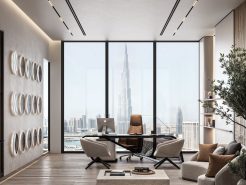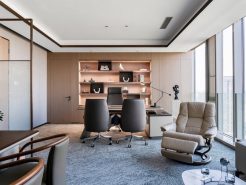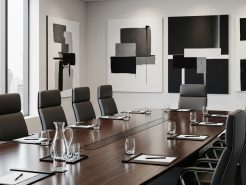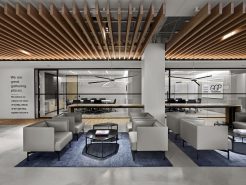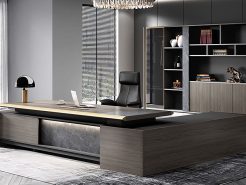
In the world of luxury office interior, metal is no longer a rigid material associated with technical details. Instead, it becomes a language of design full of emotion. From slender desk legs and neat partition frames to delicate trim details, metal is subtly present but powerful enough to make a difference. These small touches create a sense of neatness and professionalism, where each employee feels valued every day at work. When metal is placed in the right way, the office space becomes more beautiful and conveys a message about the company’s serious investment in its people—a core element that creates lasting value.
1. Overview of metal materials in luxury office
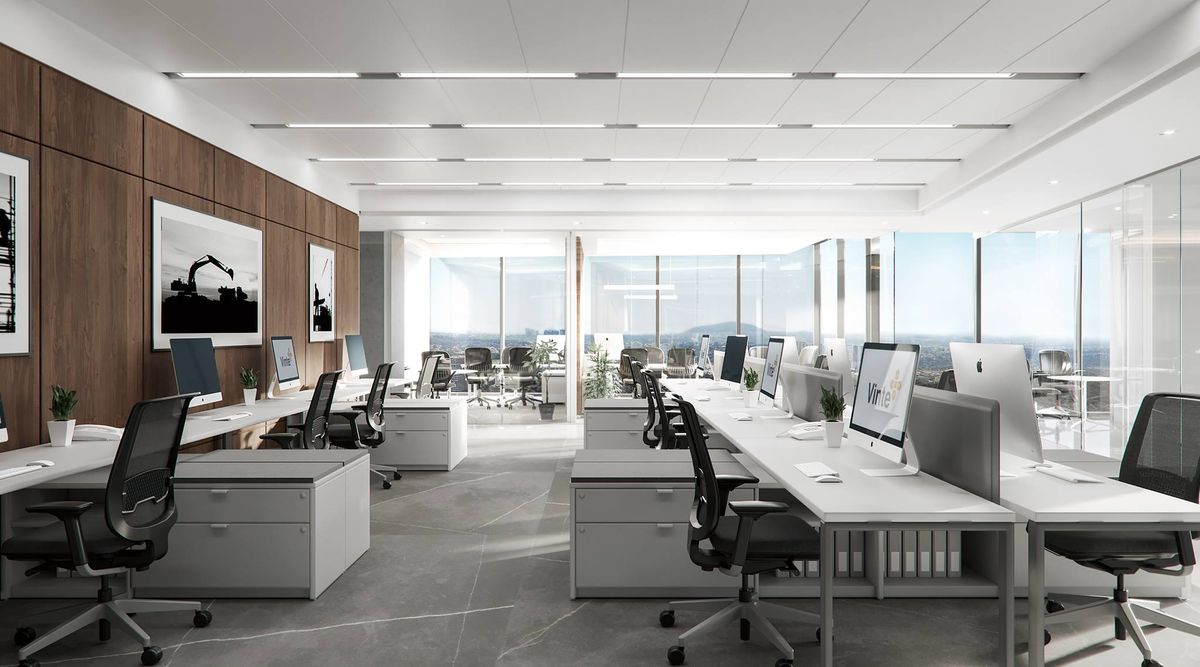
In a high-end office space, metal is not just a building material. It also plays a role as a design language, subtly shaping emotions and establishing a sense of class. The presence of metal conveys a professional and polished feel from the first glance. Its sturdy, sharp, and orderly surface evokes a spirit of discipline, precision, and reliability—core values of a high-class work environment.
Besides its aesthetic appeal, metal is also favored for its superior durability and impact resistance. It can withstand continuous use without losing its stability and longevity. This is what helps office spaces maintain their elegance over time, rather than just looking good initially. Metal is also very versatile when combined with other high-end materials such as wood, stone, glass, or leather, creating a harmonious balance between warmth and modernity.
In practical applications, powder-coated steel in black, gray, and white is often chosen for foundational structures and interiors. Meanwhile, stainless steel with gold, titanium, or brushed copper finishes acts as a subtle accent. Anodized aluminum offers a light and airy feel, suitable for designs that prioritize simplicity. In particular, the difference between brushed matte and polished metal creates a distinct visual effect. One is calm, elegant, and reduces light reflection, while the other is striking, sharp, and contributes to the modern and sophisticated feel of the space.
2. Metallic accents in luxury office interior
Metallic accents at the employee workstation system
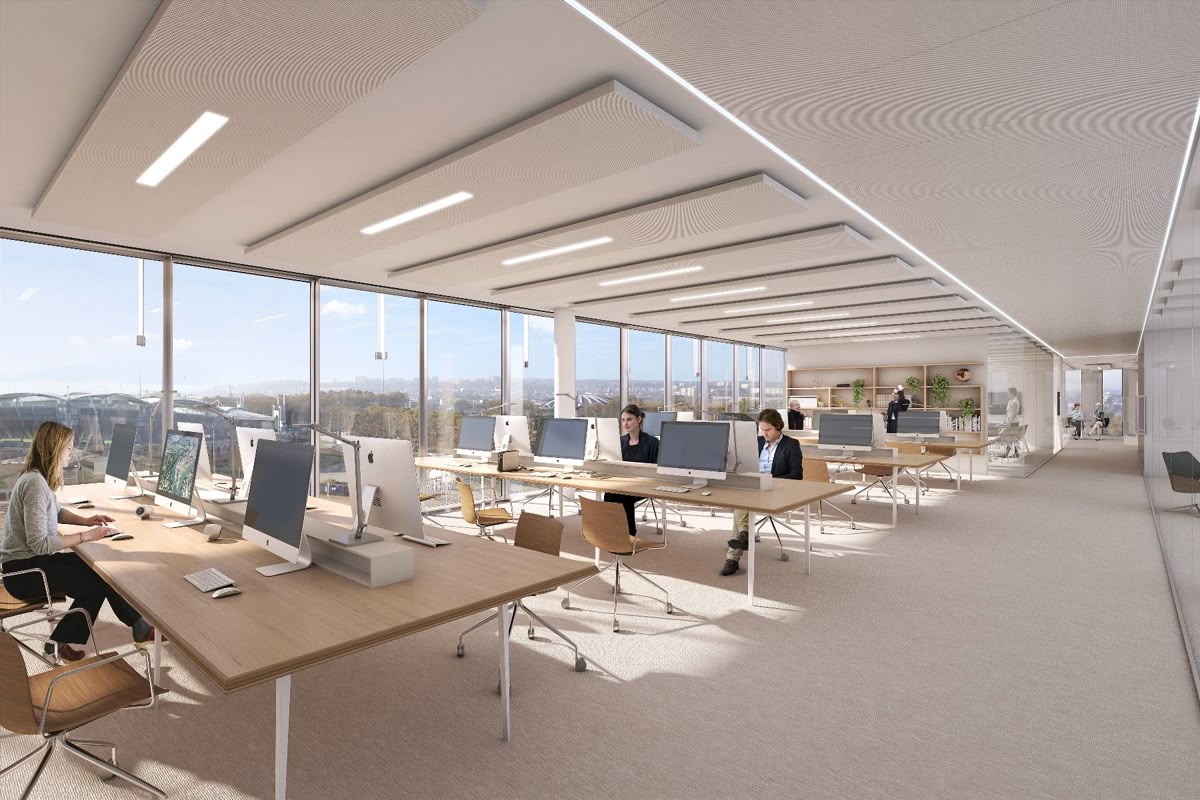
Office desks not only meet functional needs but also contribute to creating a positive work atmosphere and spirit for the entire office. When metal is incorporated into desk design, it often appears subtly in the legs and tabletop support frames, playing a dual role: supporting the structure and adding an aesthetic touch.
Metal table legs, with their slender and neat design, often come in U-shapes, A-shapes, or box-frames. This makes the overall table look light and airy, avoiding a heavy or visually overwhelming feel. Colors like matte black, dark gray, or brushed metal create a sophisticated and modern look, while also easily blending with various interior styles.
Beneath the tabletop, the metal frame is cleverly concealed, almost “hidden,” yet plays a crucial role in preventing warping and increasing durability during prolonged use. This discreet presence creates a sense of sturdiness and security for the user without sacrificing the elegance of the space. Compared to tables with traditional wooden legs, tables with metal accents often convey a more sophisticated and distinct impression, reflecting meticulous and thoughtful design.
>> See more: Top 6 desk designs for luxury office interiors.
Metal in office desk partitions
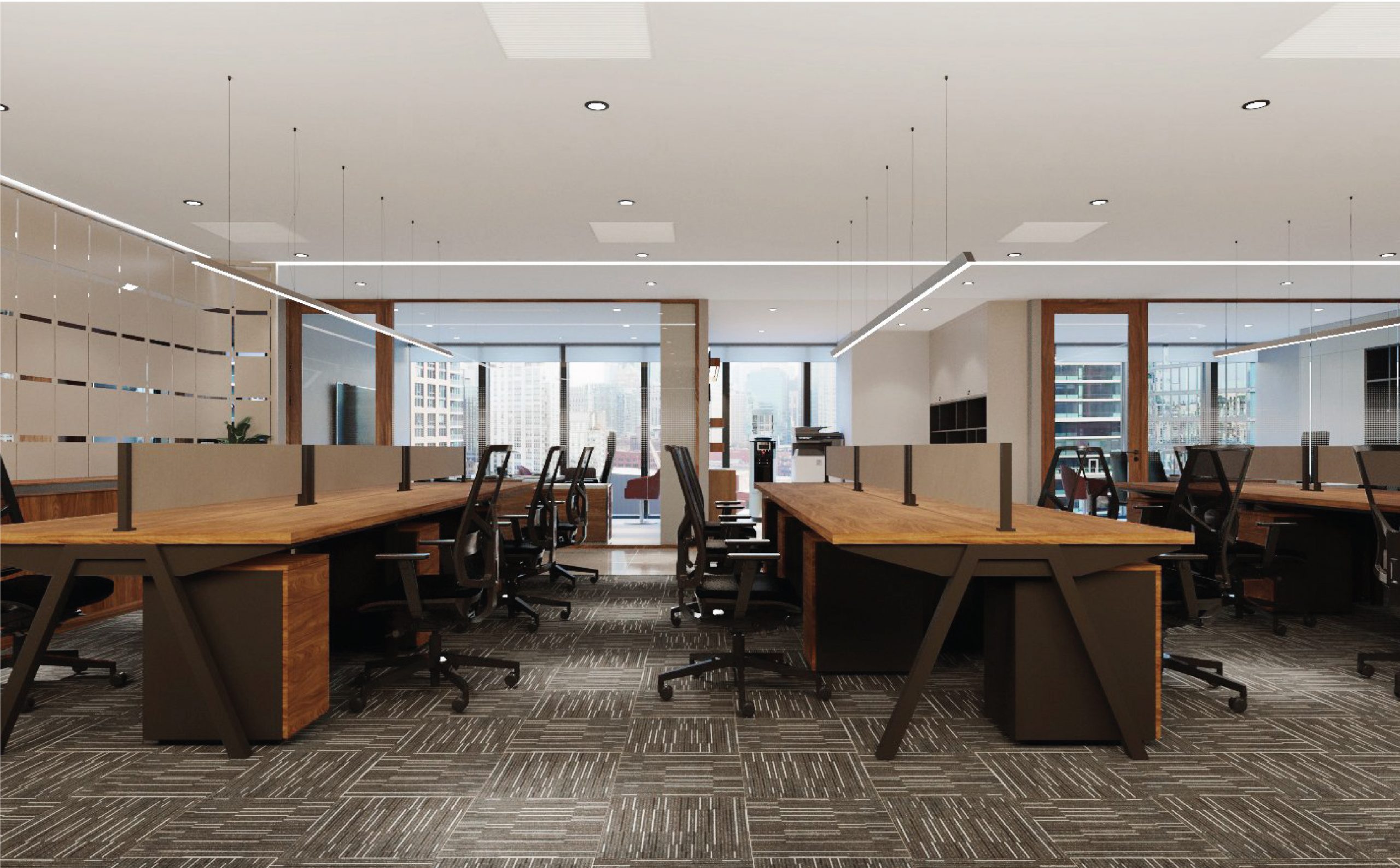
Modern office partitions are no longer rigid or heavy like before. Instead, they have become an important part of organizing space in a flexible and sophisticated way. When used as a partition frame, metal acts as a structural skeleton, helping the partition maintain a slim profile while ensuring the necessary rigidity.
Thanks to the use of metal, partitions can be easily combined with glass, felt, or engineered wood, creating layers of space that are both private and airy. The metal frame reduces the overall thickness of the partition, avoiding a cramped feeling while giving the workspace a modern and neat appearance. Visually, the straight, sharp lines of the metal contribute to a sense of order and clarity, making the office space more organized and professional.
More importantly, partitions using metal frames also convey a sense of well-planned, long-term design, rather than just a temporary solution. As a result, each employee gets a sufficiently private workspace while still feeling connected and open within the overall shared space.
High-end office filing cabinet system
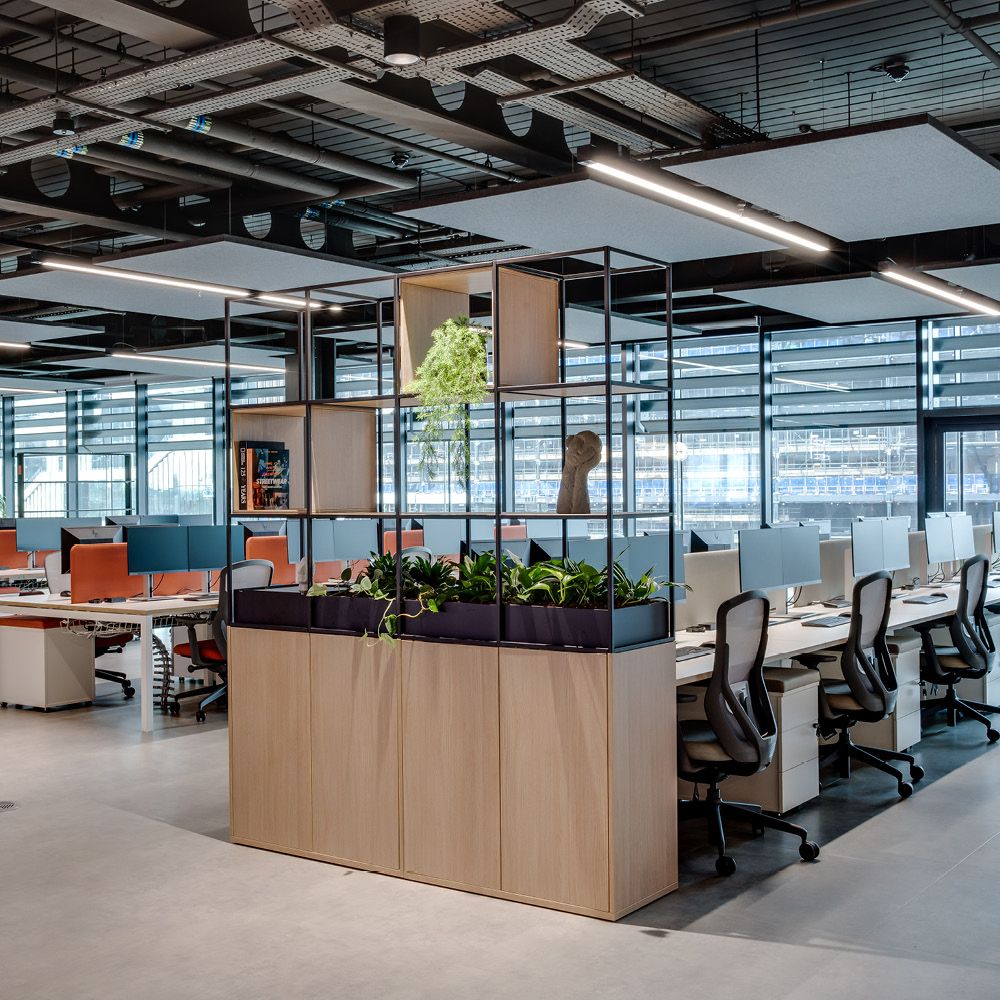
Storage cabinets and filing cabinets not only serve organizational needs but also reflect the sophistication of their design details. Metal is often used in cabinet handles and shelf frames—small but frequently used areas. Simple, slender, and straight metal handles provide a secure grip while maintaining a neat and refined appearance over time.
Compared to other materials, metal is less prone to wear and tear, minimizing damage and maintaining stability during long-term use. For filing cabinets, combining a metal frame with wood or surface coverings creates a light, airy feel and visual balance. This helps keep the space tidy without the heavy feeling of completely enclosed cabinets.
This combination is particularly well-suited to modern offices that prioritize flexibility and an open feel. The metal here is understated, serving as a support and foundation, allowing other materials to be harmoniously highlighted. This restraint creates a lasting elegance that is not subject to fleeting trends.
Metallic accents on the ceiling and structural elements in this luxury office
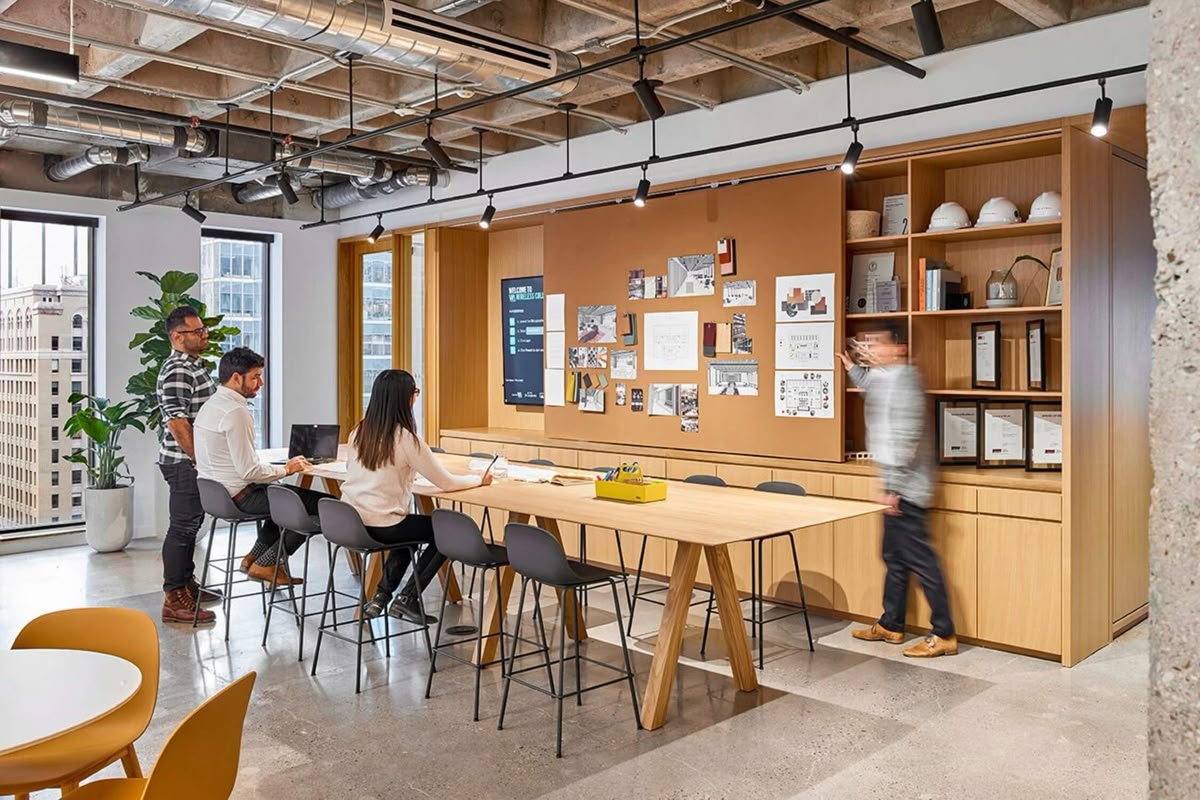
Office ceilings are often overlooked in design. But when cleverly treated with metal details, the space instantly becomes more vibrant and has greater depth. Decorative metal ceiling panels are strategically placed to create rhythm, guide the eye, and reduce the monotony of flat ceiling surfaces. When combined with recessed lighting, the metal helps distribute light evenly, creating a clean and modern feel.
Beyond aesthetics, metal plays a crucial role in the structural system, particularly in enclosures for electrical wires, conduits, and air conditioning systems. Thanks to metal, technical details are neatly and orderly arranged, ensuring safety while maintaining the aesthetic appeal of the open space. The presence of metal in these areas clearly demonstrates meticulous design thinking, where every detail, even those not directly eye-catching, is carefully considered to create a complete and professional overall effect.
>> See more: Checklist for designing and constructing luxury office walls and floors.
Metal in the lighting system of a luxury office interior
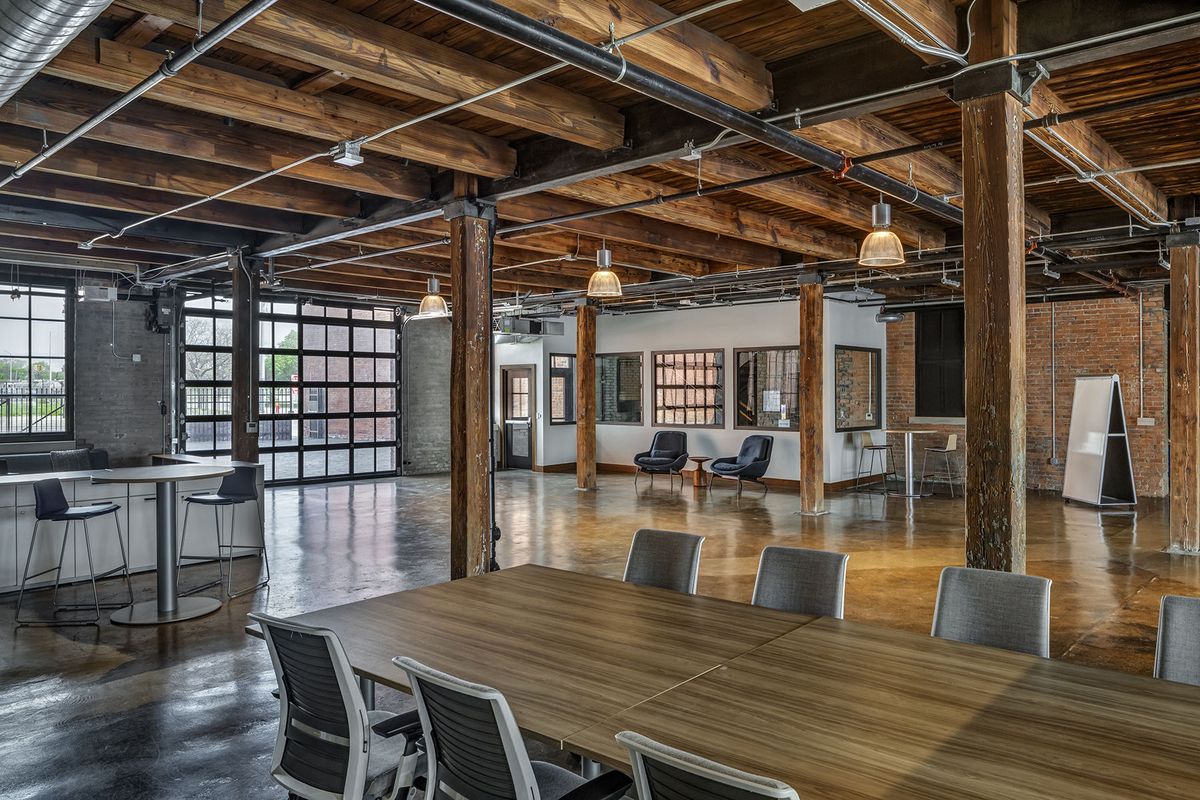
Lighting plays a crucial role in shaping the atmosphere of an office. And metal is a material that helps lighting fixtures stand out in terms of form and style. Metal lamp bodies provide a sense of solidity and modernity, while also creating a harmonious look with other interior details in the space.
Thanks to its subtle light-reflecting properties, metal helps to distribute light more evenly. This gives the workspace a sense of spaciousness and visual depth. However, when combined with soft lighting, metal doesn’t feel rigid; on the contrary, it contributes to highlighting the sophistication of the design.
Matte or brushed metal surfaces also help reduce glare, providing a more comfortable feel for the eyes, especially in environments where long working hours are required. The balance between light and metal materials creates a space that is both dynamic and warm, helping employees concentrate on their work while feeling as comfortable as possible.
Metallic accents in employee common areas
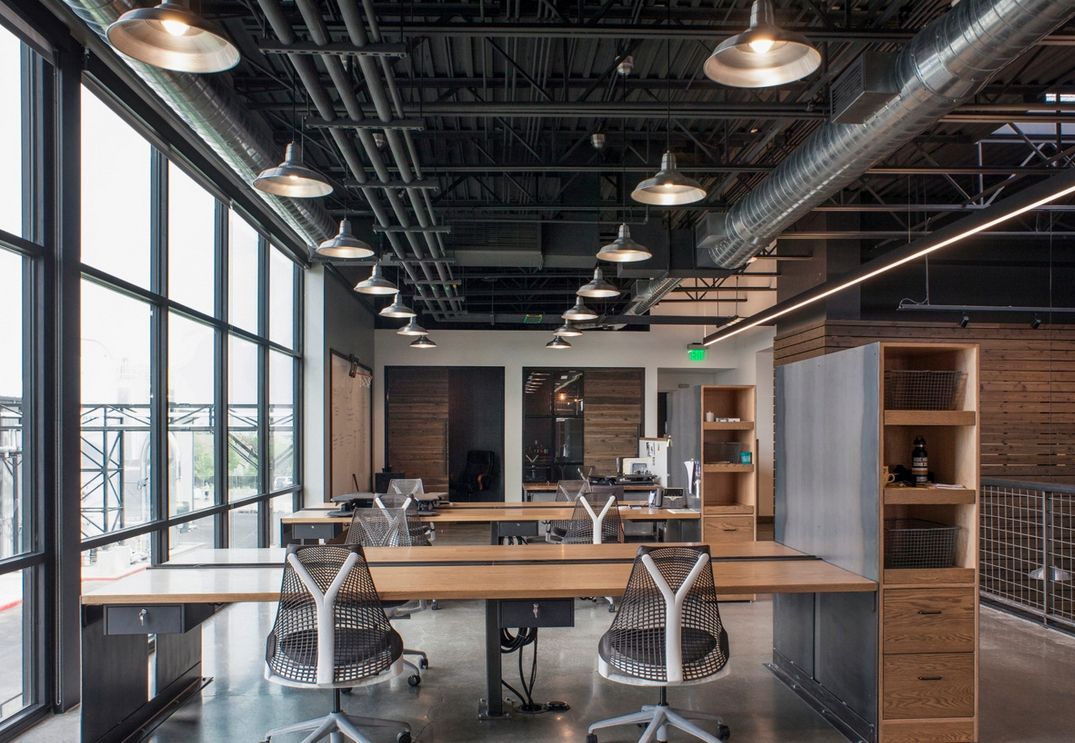
Common areas such as break rooms, printing areas, or bar counters are often high-traffic. Therefore, using metal in these areas is important for both aesthetics and durability. Metal handles, shelving, and table legs are designed to be cohesive, ensuring these auxiliary areas don’t clash with the main workspace. Metal feels sturdy, is easy to clean, and maintains a neat appearance even with frequent use.
In the bar or snack area, metal is often used in trim and support frames, increasing durability and maintaining necessary cleanliness. More importantly, the consistent presence of metal in common areas helps the office maintain a sophisticated look throughout, demonstrating care for employee experience not only at work but also during short breaks.
Metal in the finishing details
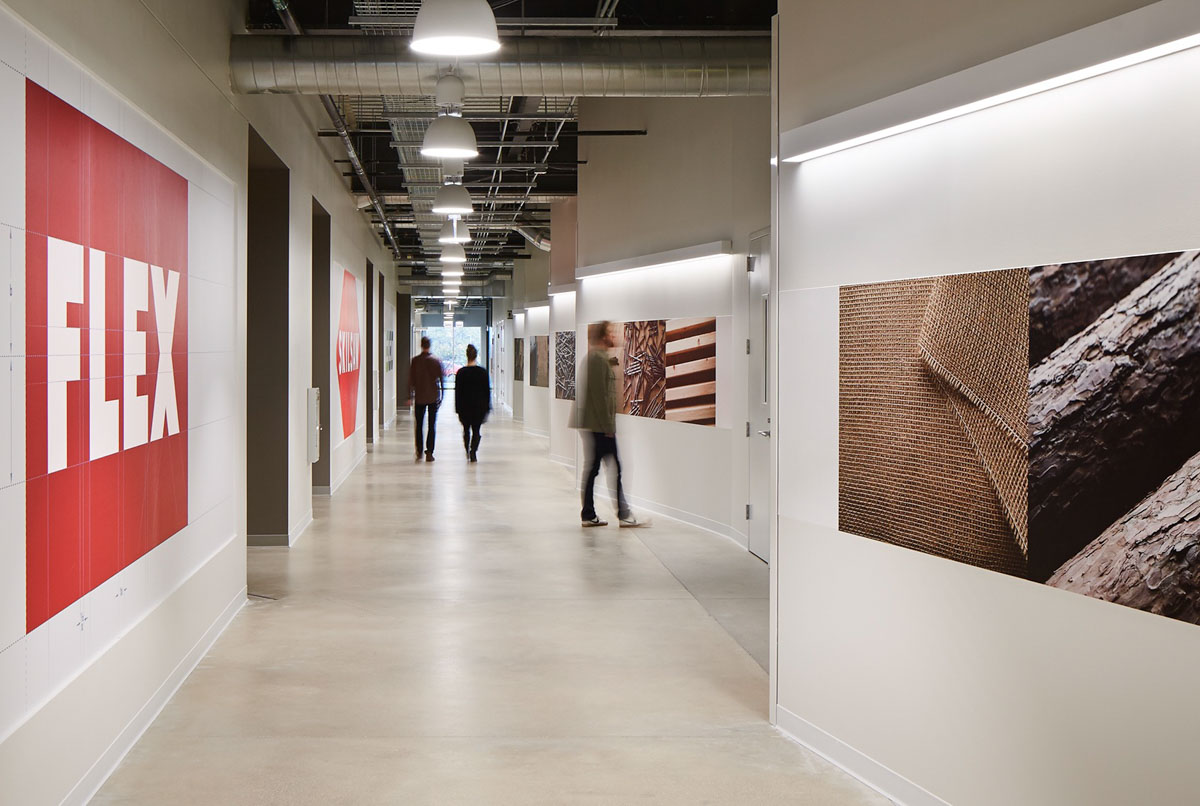
These seemingly small finishing details play a crucial role in the overall quality and feel of a luxury office. Metal is present in floor trim, corner trim, chair frames, and chair legs, helping to seamlessly connect different materials.
Metal floor trim not only creates a clear transition between different flooring types, but also provides a neat and sturdy feel. Corner trims, with their sharp lines, contribute to the sophistication of the space while protecting material edges from collisions and damage during use.
The metal frame and legs of the chair not only increase durability during use but also create a subtle harmony with other interior details. This forms a cohesive and unified whole for the space. When these seemingly small details are handled carefully and purposefully, the workspace exudes a sense of neatness, professionalism, and sophistication befitting the company’s aspirations.
3. Principles for using metallic accents in the office
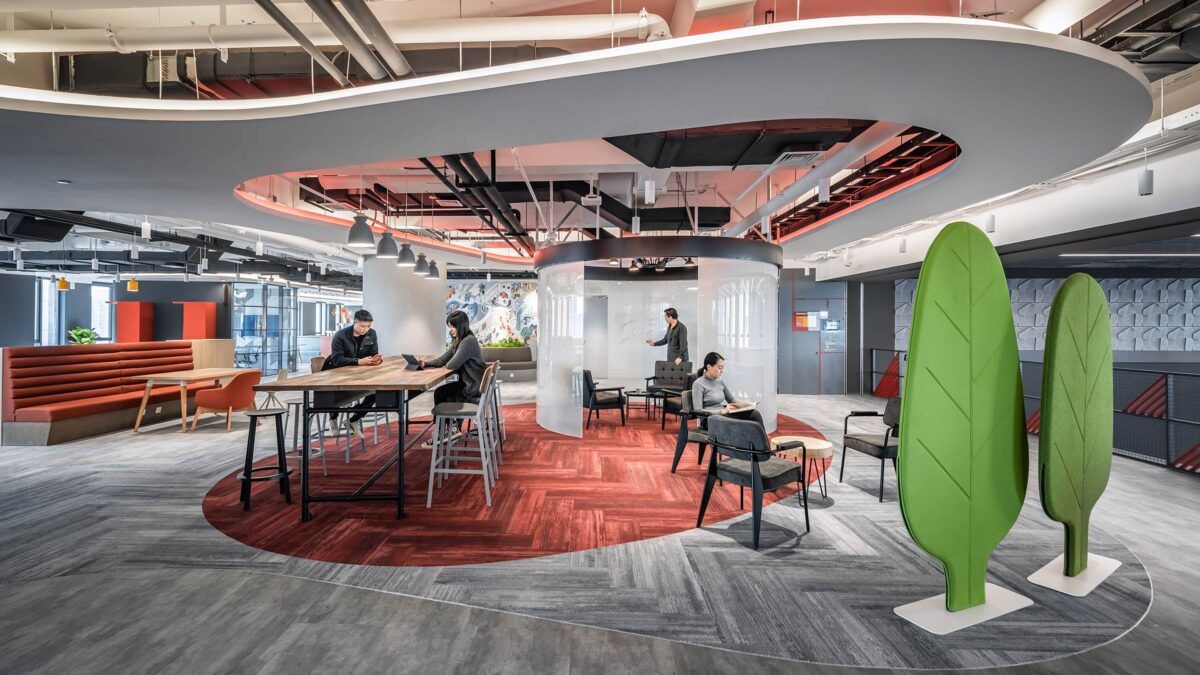
When metal enters an employee office space, it’s no longer just about the material itself. It’s about how the design shows respect for people and their daily work rhythm. Metal should be prioritized in details with clear functions, such as table legs, support frames, handles, or structural elements. This is where the material maximizes its advantages in terms of durability, strength, and stability during long-term use.
When metal is used appropriately and in the right way. It not only enhances the quality of the interior but also provides a sense of security and reliability for the user. Furthermore, limiting the use of too many different types of metal in the same space is crucial for maintaining visual consistency and simplicity. A carefully chosen metal color palette will help the office maintain a professional look, avoiding visual clutter or unnecessary ostentation.
To prevent the space from becoming cold or rigid, metal should be harmoniously combined with warm materials such as wood, soft surfaces, or gentle lighting. This creates emotional balance for the workers. Above all, every design decision should be geared towards the comfort and daily experience of employees. Because a well-cared-for space contributes to fostering a positive work ethic and a sense of being valued.
>> See more:Cleaning the gypsum ceiling in the design and construction of a luxury office.
Conclude
The journey of creating luxurious office interiors is clearly demonstrated through the way metal is present in the employee workspace. Without being ostentatious or heavy, metal appears just enough in details requiring solidity and sophistication. From desk frames and partitions to the smallest finishing touches. This restraint creates a sense of professionalism, stability. And durability for the daily work environment, fostering inspiration, engagement, and pride in each employee.
=====\
PROCE – TOTAL LUXURY OFFICE SOLUTION
Website: https://proce.vn/
Youtube: https://www.youtube.com/@noithatvanphonghangsang
Fanpage: https://www.facebook.com/vanphongnhapkhauProce
GG Business: https://business.google.com/dashboard/l/15115233216900975876
Linkedin: https://www.linkedin.com/company/74359718/admin/
Hotline: 090.115.6767
#van_phong_hang_sang; #noi_that_van_phong_hang_sang
#thiet_ke_thi_cong_van_phong_hang_sang
#thiet_ke_noi_that_van_phong_hang_sang